

Dry eyes and irritated ocular surfaces are among the most common reasons people visit an eye doctor, and they are very treatable once you understand the cause. Dr. Rebecca Sparks at Sparks Eye Care evaluates your ocular surface, identifies what is driving your symptoms, and builds a management plan that keeps you comfortable over time. She also treats eye allergies and other ongoing surface conditions at the same practice.
Dry Eye Treatment in Andover, Kansas
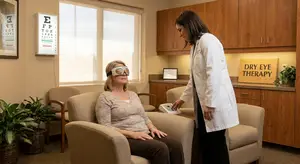
Symptoms That Point to a Dry Eye or Ocular Surface Problem
Dry eye does not always feel "dry." The surface reacts in several ways, and you may recognize one or more of these:
- Burning or stinging: A persistent low-grade irritation, often worse by evening.
- Grittiness or a foreign-body sensation: Feels like something is in the eye, even when nothing is there.
- Watery eyes: Reflex tearing is a common dry-eye sign. Your eye floods with water because the baseline lubrication is off.
- Tired or heavy eyes: Eyes that feel worn out after normal screen use.
- Blurred vision that clears when you blink: A thin, unstable tear film causes intermittent blur that snapping back with a blink.
- Redness, itching, or discharge: These can also point to eye allergies, also called allergic conjunctivitis, which Dr. Sparks evaluates and manages as part of ocular surface care.
If any of these symptoms are regular visitors in your day, it is worth getting your tear film and ocular surface checked at Sparks Eye Care.
Common Causes of Dry Eye and Surface Irritation
- Extended screen time without regular breaks.
- Age-related changes in tear gland output, especially after 40.
- Hormonal changes, including menopause.
- Medications such as antihistamines, antidepressants, and blood pressure drugs.
- Dry indoor environments, air conditioning, and wind.
- Contact lens wear over many years.
- Allergies and seasonal pollen exposure.
- Underlying conditions like rosacea or thyroid disease.

How Our Eye Doctor Evaluates and Manages Dry Eye
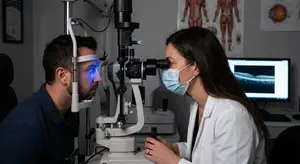
Dry eye is an eye condition, not a single event, so our Andover eye doctor approaches it as ongoing care rather than a one-time fix. During your visit, she will assess the quantity and quality of your tears, the health of your oil glands (meibomian glands), the surface of your cornea, and whether allergies are a factor. That picture tells her which type of dry eye you have and what is most likely to help.

Dry Eye Evaluation and Diagnosis
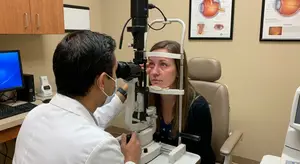
Dr. Sparks checks your tear film stability, eyelid health, and the overall surface of the eye. She looks at the oil glands that stabilize the tear film, which is one of the most common and overlooked drivers of chronic dry eye. Understanding the root cause shapes the whole treatment plan.
Eye Allergies and Ocular Surface Conditions
Allergic conjunctivitis causes itching, redness, and watery eyes that overlap with dry eye symptoms. Dr. Sparks treats both, and often both are present at the same time. Getting an accurate picture of what is driving your symptoms leads to a much more effective plan than guessing at over-the-counter drops.
What to Expect at Your Dry Eye Visit
Your dry eye evaluation at Sparks Eye Care is a focused visit. Here is how it typically goes:
- A review of your symptoms, how long they have been present, and what seems to make them better or worse.
- A look at your current drops, medications, screen habits, and environment.
- Examination of your tear film, eyelid margins, and corneal surface.
- An assessment of your meibomian gland function if evaporative dry eye looks likely.
- A clear explanation of your findings and a written management plan.
Follow-up visits track your progress and adjust the plan based on how your surface responds. Dry eye is rarely a one-visit fix, but most patients see meaningful improvement within a few weeks of starting treatment.
Other Services at Sparks Eye Care

Your annual exam is the foundation of long-term eye health. Dr. Sparks checks vision, pressure, retina, and overall ocular health at every visit.
Sudden eye pain, a foreign body, or a flash of new floaters needs same-day attention. Dr. Sparks takes urgent calls and fits emergency patients.

Questions About Dry Eye Treatment in Andover
Dry eye is a tear film problem. Your eye is not making enough tears, or the tears evaporate too quickly. Eye allergies are an immune reaction to pollen, pets, or dust. The two feel similar and often occur together, which is why a proper exam matters. Dr. Sparks can tell them apart and treat both.
For most people it is ongoing management rather than a cure. The goal is to get symptoms under control and then keep them there with maintenance habits and, when needed, prescription treatments. Many patients reach a point where their symptoms are minor or absent most of the time.
Sometimes, but they are often not enough on their own, especially for moderate or severe cases. Preservative-free artificial tears are a good start, but if you are using drops more than four times a day and still uncomfortable, it is time for a proper evaluation to find out what type of dry eye you have.
Yes. Dry eye is one of the most common reasons contact lens wear becomes uncomfortable. Treating the underlying dry eye first often makes lens wear much more tolerable. If you have been told contacts are not an option for you because of dry eye, it is worth asking again because lens materials and treatment options have improved.
A regular comprehensive eye exam covers your full prescription and ocular health. A dry eye evaluation focuses specifically on the tear film, eyelid function, and ocular surface. Both can happen at the same visit, or the dry eye evaluation can be scheduled as its own appointment depending on the complexity of your case.
Ready to Get Your Dry Eyes Under Control?
Book a dry eye evaluation at Sparks Eye Care in Andover and find out what is actually driving your symptoms and what to do about it.