

Dr. Rebecca Sparks at Sparks Eye Care can asses your cataracts, explain what to expect as they progress, and when surgery makes sense for your life. We also coordinate care with your surgeon to make sure your treatment is seamless from diagnosis through recovery.
Cataract Care in Andover, Kansas
What Cataracts Are and How They Progress
The lens inside the eye is naturally clear. Over time, proteins in the lens break down and clump together, making it cloudy. This is a cataract. Most cataracts are age-related and begin forming in the mid-40s to 50s, though they are usually not noticeable until the 60s or later.
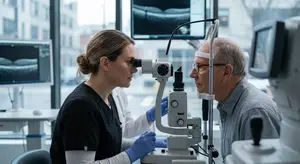
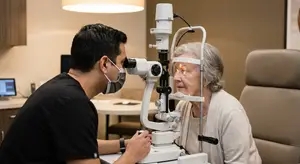
Common early signs include slightly blurry or hazy vision, increased sensitivity to glare at night, faded colors, or needing more light to read. Prescription changes may come more frequently as a cataract matures. Dr. Sparks tracks the progression of cataracts at each visit using slit-lamp examination and will let you know when the picture starts to change.
When Is Cataract Surgery Recommended?
- Vision affects your ability to drive safely, especially at night.
- Reading, screen use, or close work has become frustrating despite a current glasses prescription.
- Glare or halos around lights are interfering with daily activities.
- Your prescription has changed significantly in a short period of time.
- You have stopped doing things you enjoy because your vision is limiting you.
- Dr. Sparks confirms the cataract is the primary cause of your symptoms.
- You are medically cleared for an outpatient procedure.
- The timing fits your schedule and life circumstances.

Cataract Surgery Is a Quality-of-Life Decision
There is no single number on an eye chart that triggers surgery. The decision is based on how much the cataract is affecting your day-to-day life and what you want to be able to do. Some people are comfortable waiting. Others find the limitations frustrating much earlier. Dr. Sparks walks through the trade-offs with you honestly so you can make the right call for your situation, not just a textbook recommendation.
Lens Implant Options
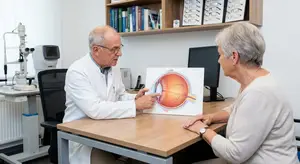
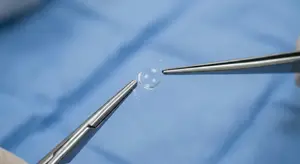
During cataract surgery, the cloudy natural lens is removed and replaced with a clear artificial lens called an intraocular lens (IOL). Standard IOLs correct vision at one distance (usually distance). Premium IOLs can reduce or eliminate the need for glasses at multiple distances. The surgical team will discuss IOL options with you, and Dr. Sparks can answer questions about how each option might affect your everyday vision before you decide.

The Co-Management Process
Dr. Sparks coordinates with a trusted local surgical team. She provides the pre-surgical measurements and exam findings the surgeon needs, and she sees you for post-operative follow-up visits here at Sparks Eye Care. Most patients return to us for all their follow-up care. If anything unusual comes up after surgery, she is in contact with the surgical team directly.
What to Expect Before and After Cataract Surgery
Before surgery, Dr. Sparks performs a thorough pre-op evaluation to confirm your eye health, measure your cornea and eye length for IOL calculations, and review your current medications. You will receive a referral to the surgeon with all relevant records and imaging.
After surgery, you will return to Sparks Eye Care for your first follow-up visit, typically within a day or two. Additional visits are scheduled over the following weeks as your vision stabilizes. Dr. Sparks monitors for complications such as inflammation, elevated pressure, or posterior capsule opacification (a common and treatable clouding that can develop months after surgery). Most patients are very happy with the outcome and return to their normal vision care routine with us after recovery.

Related Services at Sparks Eye Care
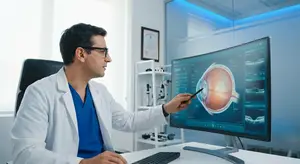
Cataracts are monitored at every comprehensive exam. Annual visits help track changes and time any intervention well.
Glaucoma and cataracts can both affect vision as we age. Dr. Sparks screens for glaucoma at every visit.
Questions About Cataracts From Andover Patients
Common signs include blurry or hazy vision, glare or halos around lights at night, faded colors, and needing more light to read. Many people first notice a cataract when their glasses prescription starts changing more frequently. A dilated exam and slit-lamp evaluation confirm the diagnosis.
No. Cataracts are not a medical emergency in most cases. Dr. Sparks monitors them over time and recommends surgery when your vision is affecting daily activities. There is no harm in waiting as long as you are comfortable and safe doing the things you need to do.
Cataract surgery is one of the most common outpatient procedures performed in the US and has a high success rate. As with any surgery, there are risks. Dr. Sparks reviews those with you honestly and only refers you for surgery when the likely benefits outweigh them for your specific situation.
It depends on the IOL selected. A standard monofocal lens typically corrects distance vision, so reading glasses are still needed for close work. Premium lenses can reduce or eliminate that need. Dr. Sparks can help you understand the options before you meet with the surgeon.
Yes. Dr. Sparks provides post-operative care after cataract surgery. Most patients return here for their follow-up visits rather than driving back to the surgical center. She monitors healing, checks pressure, and manages any post-op concerns through recovery.
Not Sure if It Is Time? Come in and Find Out.
Our Andover eye doctor will evaluate your cataracts, give you a straight answer about where things stand, and help you plan from there. Book your cataract evaluation at Sparks Eye Care in Andover.