

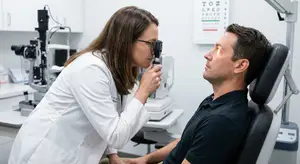
A comprehensive eye exam is more than a vision check. When Dr. Rebecca Sparks examines your eyes at Sparks Eye Care, she is also looking for early signs of diabetes, high blood pressure, glaucoma, and macular changes. Many of those findings appear in the eyes before symptoms show up anywhere else. You leave knowing both how clearly you see and how healthy your eyes actually are.
Comprehensive Eye Exams in Andover, Kansas
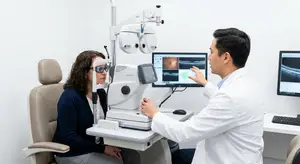
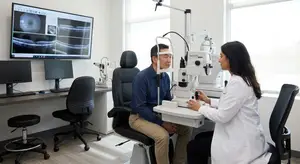
What a Comprehensive Exam Covers, Beyond the Prescription
Every comprehensive exam at Sparks Eye Care includes the following:
- Visual acuity and refraction: Confirm your prescription for glasses or contacts.
- Intraocular pressure measurement: Evaluates for elevated eye pressure and early signs of glaucoma.
- Slit-lamp examination: Evaluates the cornea, lens, iris, and front of the eye for disease or damage.
- Retinal photography (when appropriate): Captures the back of the eye and creates a baseline for year-to-year comparison.
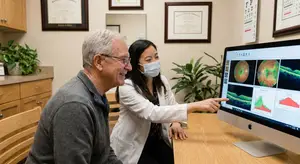
- Optical coherence tomography - OCT (when appropriate): Cross-sectional imaging of the retina and optic nerve, where early glaucoma and macular disease appear first.
- Dilated retinal exam (when appropriate): Needed for higher-risk eyes, first visits, or when imaging turns up a finding worth a closer look.
Dr. Sparks walks you through every finding, so you leave with a clear picture of where things stand.
When to Come In for a Comprehensive Exam
- More than a year since your last full exam.
- Vision feels a little off, even if your current glasses seem close enough.
- Diabetes, high blood pressure, or a family history of glaucoma or macular degeneration.
- You take medications with known eye-related side effects.
- Headaches after long stretches at a screen.
- Trouble driving at night or increased sensitivity to glare.
- Eyes that feel tired, dry, or strained by mid-afternoon.
- It has been a few years and you simply want a baseline on file.

Your Eyes Reveal Important Clues About Your Overall Health
The retina is the only place in the body where blood vessels can be seen directly without any cutting or imaging contrast. That makes the eye exam one of the few routine checkups that can spot vascular and neurological changes early. Our Andover eye doctor takes this role seriously. If the exam turns up something that warrants a conversation with your primary care doctor, she will let you know and can communicate findings directly. The goal is to catch problems while options are still wide open.
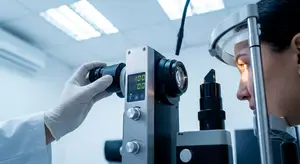
Retinal Photography and OCT
Retinal photography captures the back of your eye and builds a permanent record. Optical coherence tomography (OCT) maps the retina and optic nerve layer by layer, which is where the earliest signs of glaucoma and macular disease appear. Having these images year after year means small changes do not go unnoticed.

Coordinated Care With Your Medical Team
When the exam turns up signs of a systemic condition, Dr. Sparks will coordinate with your primary care doctor or specialist so nothing slips through the cracks. Eye health and overall health are connected, and we treat them that way.
Related Services at Sparks Eye Care
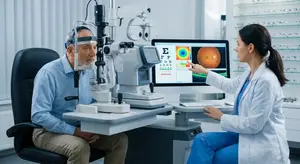
Diabetes can damage the retina before you notice any change in your vision. Dr. Sparks performs annual dilated exams and coordinates with your primary care team.
Age-related macular degeneration is a leading cause of central vision loss. Dr. Sparks monitors AMD changes over time and co-manages with retinal specialists when needed.
Glaucoma develops slowly and has no early symptoms. Early detection through regular exams is the best way to protect your vision long-term.
Questions Patients Ask About Comprehensive Eye Exams
A vision exam checks your prescription and overall eye health and typically bills to your vision insurance plan. A medical eye exam diagnoses or manages a specific condition such as glaucoma, diabetic changes, or dry eye and bills to medical insurance. Dr. Sparks performs both, and the type of visit is determined by your reason for coming in.
Once a year is the right frequency for most adults, contact lens wearers, and anyone with diabetes, a family history of glaucoma, or other risk factors. If your vision and eye health have been stable and your risk is low, every two years may be reasonable. Dr. Sparks will let you know what makes sense for you.
Not always. Retinal photography and OCT give Dr. Sparks a detailed view for most patients without dilation. Dilation may still be needed for higher-risk eyes, follow-up on a specific finding, or your first visit with us. If your eyes are dilated, plan on about four hours of light sensitivity and consider bringing a driver if that is a concern.
Bring your current glasses and any contact lenses you wear, your insurance card, and a list of medications you are currently taking. If you have records from a previous provider, those are helpful but not required. New patients can complete intake paperwork online before the visit.
Yes. Standard soft contact lens fittings can often be added to the same visit. Let us know when you book so we can allow enough time. Specialty fits such as scleral lenses or orthokeratology lenses are scheduled as their own appointment because they involve additional testing and take longer.
Get a Full Picture of Your Eye Health.
Schedule a comprehensive eye exam at Sparks Eye Care in Andover, Kansas and leave with real answers about your vision and your health.