

A contact lens exam is a separate clinical visit from your glasses exam, and it is billed that way by insurance. Dr. Rebecca Sparks, our Andover optometrist, at Sparks Eye Care fits daily, biweekly, monthly, and specialty lenses. If you have been told you cannot wear contacts in the past, it is worth asking again. Lens materials and fitting options have improved a great deal, and many patients who were turned away before can now wear contacts comfortably.
Contact Lens Exams in Andover, Kansas
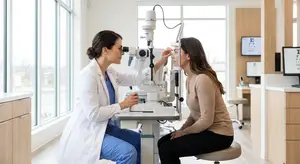
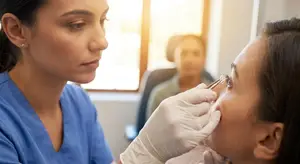
How a Contact Lens Exam Is Different From a Glasses Exam
Your glasses prescription and your contact lens prescription are not the same thing. A glasses prescription measures the power you need at a fixed distance from your eye. A contact lens sits directly on your cornea, so the power, curvature, and diameter have to be matched to your specific eye shape and fit correctly to stay safe and comfortable.
A contact lens exam adds several steps that a standard refraction does not include:
- Corneal curvature and diameter measurements: Used to select the right lens base curve and size for your eye.
- Tear film evaluation: Contacts affect the tear film, so checking its quality matters, especially if you have any dryness.
- Trial lens fitting: You try a lens in the office so Dr. Sparks can check fit, centration, and movement before writing a prescription.
- Vision check with the trial lens in place: Power adjustments are made with the lens on your eye.
- Fitting follow-up: A short return visit confirms the lens is performing well and that your cornea is staying healthy.
Because this is additional clinical work, contact lens fittings are billed as a separate professional service. Vision insurance sometimes covers a portion of the fitting fee. Call us and we can tell you what your plan covers before your visit.
Lens Options Dr. Sparks Fits
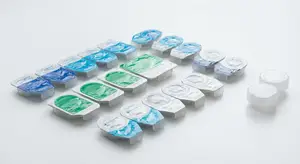
- Daily disposable lenses for maximum convenience and hygiene.
- Biweekly and monthly soft lenses for cost efficiency.
- Toric lenses for astigmatism correction.
- Multifocal and bifocal contacts for presbyopia.
- Extended-wear lenses for patients who want continuous wear options.
- Color and cosmetic soft lenses with a valid prescription.
- Specialty and hard-to-fit lenses for irregular corneas or challenging prescriptions.
- Lenses for dry eye patients using newer moisture-retaining materials.
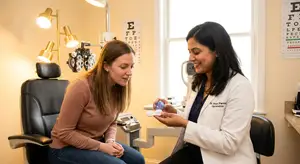
Specialty and Hard-to-Fit Contact Lens Fittings
Some patients need more than a standard soft lens fitting. Conditions like keratoconus (a cone-shaped cornea), high astigmatism, irregular corneas after LASIK, or persistent contact lens dryness may require a specialty fitting. Dr. Sparks has experience with specialty lens options and will work through the choices with you. If rigid gas-permeable lenses, or hybrid lenses might be appropriate for your situation, ask us during your eye exam.
Specialty fittings take longer and require additional measurements, so they are scheduled as separate appointments from a standard contact lens exam. Most patients who previously gave up on contacts because of discomfort or poor vision find that a specialty lens solves the problem that standard soft lenses could not.
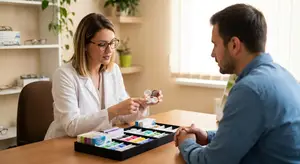
The Trial Lens Process
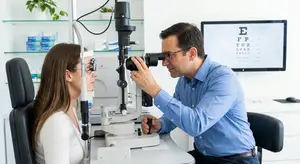
Dr. Sparks will put a trial lens on your eye in the office so she can evaluate the fit and your vision together. If adjustments are needed, she makes them before finalizing your prescription. You may wear the trial lens home to confirm comfort over a full day before your prescription is written.
Annual Corneal Health Follow-Up
Contact lenses sit on the cornea for hours at a time, and over the years that contact can change the surface. Dr. Sparks schedules a fitting follow-up as part of every new fitting, and checks corneal health at your annual exam. Catching problems early keeps your eyes safe and your prescription accurate.
What to Expect at Your Contact Lens Exam
Plan on a bit more time than a standard glasses exam. Here is the typical flow:
- Review of your history, current lenses if applicable, and any comfort issues you have had.
- Refraction to establish your glasses prescription as the starting point.
- Corneal curvature and diameter measurements.
- Tear film check.
- Trial lens selection and in-office fitting.
- Vision check with trial lenses in place, with adjustments as needed.
- Wear instructions, lens care guidance, and scheduling of your follow-up.
If you are a first-time wearer, Dr. Sparks or a staff member will walk you through how to insert and remove lenses before you leave. Most first-timers leave the office wearing their contacts. See our hours and location page to plan your visit.
Other Services at Sparks Eye Care
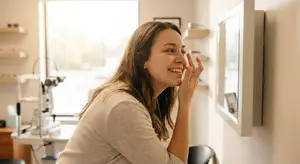
Your annual exam covers prescription, eye health, and ocular disease screening. A contact lens exam can often be added to the same visit for standard fittings.

Dry eye is one of the main reasons contact lens wear becomes uncomfortable. Dr. Sparks evaluates and manages dry eye as part of contact lens care.
Dr. Sparks sees children from infancy through high school for routine exams, myopia management, and contact lens fittings.
Questions About Contact Lens Exams in Andover
For standard soft lenses, a contact lens fitting can often be added to your comprehensive eye exam the same day. Just let us know when you book. Specialty fittings such as rigid gas-permeable or hard-to-fit lenses need their own appointment because they involve additional measurements and more chair time.
Many vision plans include a contact lens exam benefit, but it is separate from the comprehensive exam benefit and has its own copay or allowance. The fitting fee is billed in addition to the base exam. Call us before your visit and we will check your specific plan and give you a clear picture of what to expect.
Maybe not. Lens materials, designs, and fitting techniques have improved significantly. Patients with dry eye, high astigmatism, keratoconus, or previous failed fittings often find that a newer lens type or specialty design changes things. Ask Dr. Sparks at your next visit and she can give you an honest assessment based on your current eye health.
Contact lens prescriptions are typically valid for one year. An annual exam lets Dr. Sparks check that the prescription is still accurate and that your corneas are staying healthy under lens wear. Wearing an expired prescription can mean a poor fit or incorrect power, both of which affect long-term eye health.
Yes, when they are responsible enough to follow the care routine. There is no strict minimum age. Dr. Sparks evaluates maturity and eye health together when a child or teenager asks about contacts. Daily disposable lenses are often a good starting point for younger wearers because the care routine is simpler.
Ready to Wear Contacts That Actually Fit?
Book a contact lens exam at Sparks Eye Care in Andover and find the right lens for your eyes and lifestyle.