

Diabetes affects the tiny blood vessels in the retina, often causing damage long before vision changes become noticeable. Dr. Rebecca Sparks at Sparks Eye Care performs annual dilated eye exams to catch these changes early and coordinates with your primary care doctor and endocrinologist to keep your full care team on the same page.
Diabetic Eye Care in Andover, Kansas

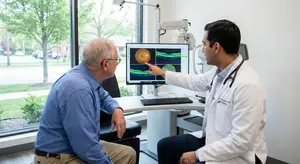
What Diabetic Retinopathy Is and Why It Matters
Diabetic retinopathy is damage to the blood vessels in the retina caused by improper glucose control over time. Early on, there are usually no symptoms. As it progresses, those vessels can leak, bleed, or swell in ways that affect central and detailed vision.
During a dilated exam, our Andover eye doctor looks specifically for:
- Microaneurysms: Tiny bulges in retinal blood vessels, usually the first sign of retinopathy.
- Hemorrhages: Small bleeds that appear as red dots or blotches.
- Hard exudates: Deposits of fat and protein that leak from damaged vessels.
- Macular edema: Swelling near the center of the retina that can blur detailed vision.
- Neovascularization: Abnormal new blood vessels that grow in advanced disease and are fragile and prone to bleeding.
Caught early, most of these changes are manageable. That is the whole point of the annual exam.
How Often Should You Have a Diabetic Eye Exam?
- Once a year for most people with type 1 or type 2 diabetes.
- More frequently if retinopathy is already present or progressing.
- Within the first year of a type 1 diabetes diagnosis, or at the time of a type 2 diagnosis.
- During pregnancy if you have pre-existing diabetes.
- If your blood sugar control has been difficult or recently changed.
- If your primary care doctor or endocrinologist has flagged concerns about your retinal health.
- If you have noticed any blurring, floaters, or changes in your central vision.
- If it has been more than a year since your last dilated exam.

Working With Your Health Care Team
Managing diabetes well is a team effort. Our Andover eye doctor regularly communicates findings to primary care physicians and endocrinologists so everyone is working from the same information. If the exam reveals changes that need attention, she will explain what was found, the level of concern it warrants, and the next steps. Most patients find that having a consistent eye care provider who knows their retinal history makes that coordination much smoother over the years.
Medical Insurance Often Covers This Eye Exam
Diabetic eye exams are often covered by medical insurance rather than vision insurance because they involve managing a diagnosed condition, not just checking a prescription. We can help you understand how your plan applies before your visit. Many patients are surprised to learn their medical plan covers this exam at little or no cost.

Caught Early, It Is Very Manageable
Early diabetic retinopathy is highly treatable and often requires no intervention beyond monitoring. Even more advanced stages have good treatment options today. The goal of annual exams is simply to catch changes while those options are still available.
What to Expect at Your Diabetic Eye Exam
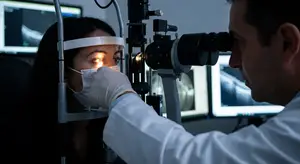
A diabetic eye exam at Sparks Eye Care includes dilation to allow a full view of the retina. Plan on about 90 minutes for the full visit, including dilation time. Your eyes will be sensitive to light for several hours afterward, so you may want to bring sunglasses and arrange a driver if that is a concern.
Dr. Sparks will review every finding with you in plain language and, if you would like, send a report to your primary care team. Bring your current glasses, insurance card, and a list of your diabetes medications.

Related Services at Sparks Eye Care
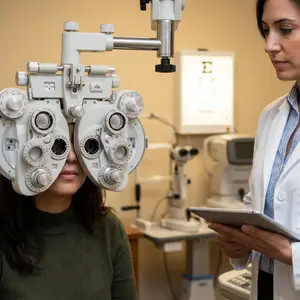
Annual comprehensive exams are the foundation of long-term eye health monitoring at Sparks Eye Care.

Age-related macular degeneration is a leading cause of central vision loss. Dr. Sparks monitors AMD changes over time and co-manages with retinal specialists.

Glaucoma develops slowly and silently. Early detection through regular pressure checks and retinal imaging is the best defense.
Questions About Diabetic Eye Care
Yes. Diabetic retinopathy causes no symptoms in its early stages. Vision changes usually do not appear until damage is already significant. The annual dilated exam is specifically designed to catch problems before you would ever notice them on your own.
Diabetic eye exams are typically billed to medical insurance rather than vision insurance because they involve management of a diagnosed condition. Most major medical plans cover the exam. We recommend calling your plan before the visit if you have questions about your specific benefits. Our team can help with that process.
A diabetic eye exam always includes dilation and a focused evaluation of the retinal blood vessels, macula, and optic nerve for signs of retinopathy. A standard vision exam may or may not include dilation and focuses more on the prescription and overall eye health. If you have diabetes, the diabetic exam protocol is what we follow.
Yes. Dr. Sparks routinely sends findings to primary care physicians and endocrinologists. Just let us know at the visit that you would like a report sent, and we will take care of it. Keeping your full care team informed is a normal part of how we manage diabetic eye care at Sparks Eye Care.
Plan on about 90 minutes. Dilation takes 20 to 30 minutes to fully work, and then Dr. Sparks will do a thorough retinal exam. The exam itself is comfortable. Your eyes will be sensitive to bright light for a few hours after, so bring sunglasses.
Stay Ahead of Diabetic Eye Disease
Schedule your annual diabetic eye exam at Sparks Eye Care in Andover, Kansas. Early detection keeps your options open.